
- Blog
Your Workforce Data Is Your Most Undervalued Business Asset
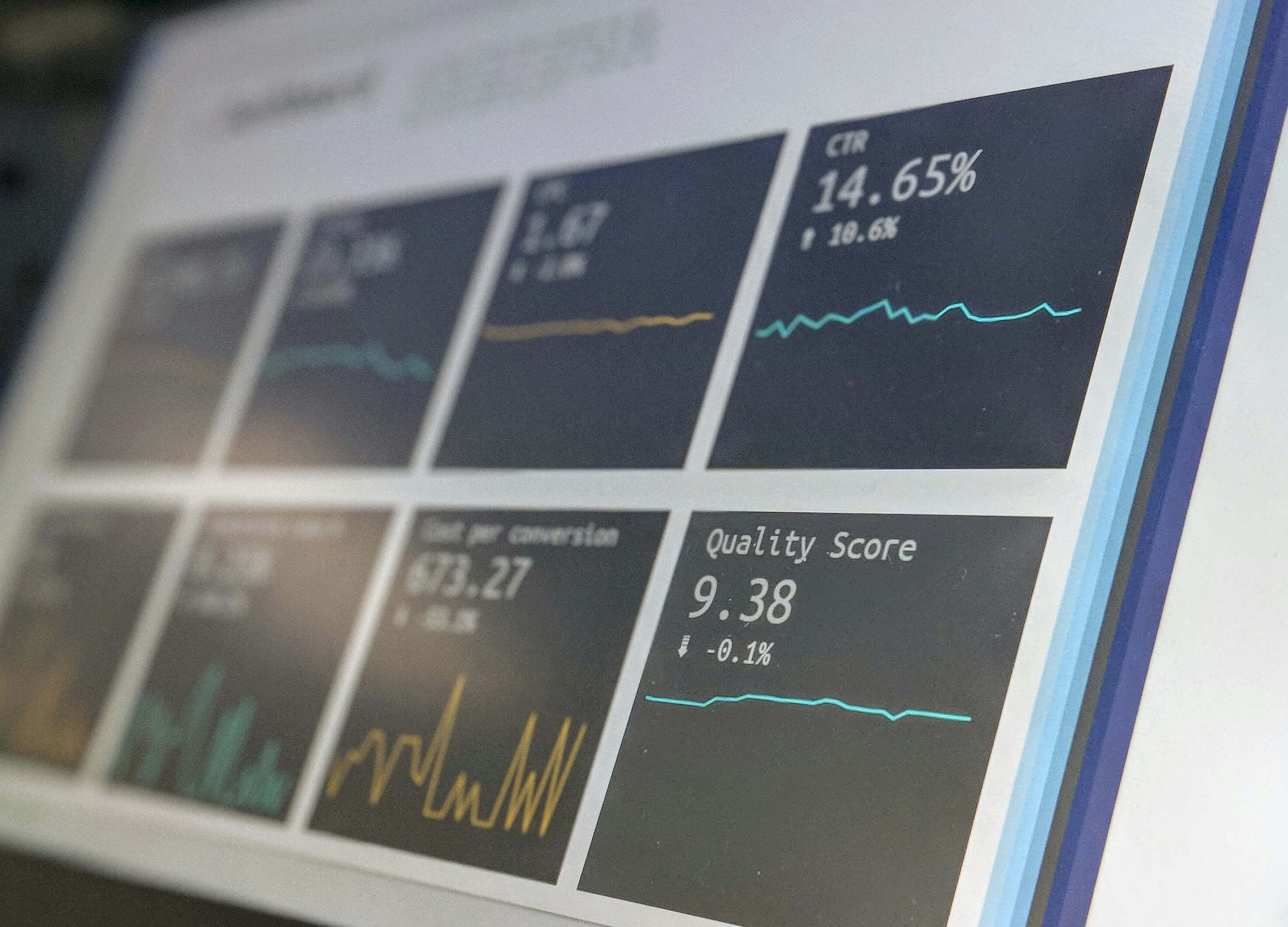
Ask most business owners what their timesheets are for, and the answer comes back fast: billing. They exist so you can invoice accurately and run payroll. Absence records track who’s off. Expense claims get people their money back. All of it sits in the “admin” drawer of the business, a cost of doing business that nobody particularly enjoys.
That’s the most expensive misunderstanding in your operation.
The data your workforce generates every week is not admin. It’s a live feed of business intelligence, telling you whether your projects are healthy, where your delivery risks are hiding, and where your money is actually going. Most growing businesses in construction and engineering are sitting on a goldmine of operational insight. They’re just either ignoring it or not capturing it accurately enough to trust it. Research by Deloitte Access Economics found that construction firms typically monitor eight of eleven key data types, yet make decisions based on only three. The information is there. It’s the use of it that breaks down.
Here’s what that data is really telling you, and why it might be the most underused asset you own.
What your timesheets are actually telling you
A timesheet records what someone did and how long it took. Read at face value, that’s a billing input. Read properly, it’s a staffing intelligence tool.
Say someone is consistently logging sixteen-hour days on a project. The billing view shows hours to invoice. The intelligence view sees something far more useful: that job is understaffed. And that’s not just a workload flag, it’s an opportunity. If one person is doing the work of two, maybe the answer is to put two people on it, deliver faster, and bill accordingly. The signal was sitting in the timesheet the whole time.
The same data tells you whether your estimates were any good. A project running consistently over its planned hours is quietly telling you the original quote was wrong, which is exactly the kind of thing you want to know before you price the next one like it. Patterns across people and projects reveal where you’re under-resourced, where you’re carrying risk, and where there’s margin you didn’t know you had.
None of this works on bad data. Adam Pitt-Stanley, Co-founder at TNE Connect puts it:
“Time sheets don’t just record what people have done. They’ll tell you whether you’ve staffed your jobs correctly, whether you’ve got risks or opportunities… it tells you a wealth of information, but only if what you’re looking at is accurate and complete.”
That last clause is the whole game. The signal is only as trustworthy as the data underneath it.
Why absence data is really a delivery risk tool
Absence management sounds like the dullest corner of the operation: a record of who’s on holiday and when. But that same data, looked at across the whole workforce, is one of the earliest warnings you’ll get about delivery risk.
Picture a team that has quietly accrued a lot of annual leave, all of whom intend to take it before the holiday year ends. Individually, every one of those requests is reasonable. Collectively, they’re a delivery problem you didn’t see coming, with not enough people on site to keep projects moving through a critical window. Spotted early, it’s a scheduling conversation. Spotted late, it’s a crisis. The difference between the two is whether you were actually reading the data.
Absence patterns also surface something quieter and more important: the welfare of your people. When the same individual is repeatedly absent, or absence clusters around a particular project, that’s worth understanding. It might be seasonal, it might be project-related, it might be a sign someone needs support. Either way, recognising the pattern early lets you act before it compounds into something bigger. That’s not back-office record-keeping. That’s looking after your workforce and protecting delivery at the same time.
Expenses are spent intelligently, not just for reimbursement
Most businesses treat an expense claim as a transaction: someone spent money, you check it, and you pay it back. Job done. But the businesses that get ahead treat that same data as a map of where their money is going.
Look across your expense data, and you can see where costs are concentrating. And once you can see it, you can do something about it. If a large share of spend is going to one category or supplier type, that’s a negotiating position. As Adam describes it:
“You can see where the majority of your expenses are being incurred. And that could lead to further negotiation with suppliers to obtain better rates.”
The same goes for travel. Spotting that your people are all booking independently opens the door to consolidating through a single provider for a better rate and a smoother experience. None of this is exotic analysis. The data is already there in every claim your team submits. The only question is whether anyone’s using it.
There’s a second payoff worth naming. A quick, clean expenses process means people get reimbursed fast, which makes for a noticeably happier workforce. So the same system that hands you the spend intelligence also removes a small, recurring source of friction for your team.
Workforce visibility is now a boardroom issue
For a long time, this kind of data lived with finance and HR. That’s no longer where it belongs. Workforce visibility has moved from the back office to the boardroom, and the reason is simple: competitive pressure.
Costs are as tight as they’ve ever been, and customers increasingly choose who to partner with on the basis of speed to value: who can mobilise, deliver, and respond fastest. You cannot make those calls well on incomplete information. Resource allocation, project staffing, and capacity planning are all of it is only as good as the workforce data sitting behind it. As Adam frames it:
“Workforce management and visibility are key for all of the business leaders to make sure that the resources that they have available are being used in the most beneficial, efficient and competitive way for the company.”
That’s a leadership concern, not an administrative one. A business that can see its workforce clearly can make sharper decisions faster than a competitor squinting at last month’s spreadsheets. In a market this tight, that visibility is a genuine edge.
The catch: you can only act on data you trust
Everything above rests on one condition. All of this intelligence, the staffing signals, the delivery warnings, the spend patterns, only hold if the underlying data is accurate and complete. And that’s exactly where most businesses come unstuck.
Fragmented systems, inconsistent entry, and tools that are awkward to use on a phone on site: each of these quietly degrades data quality at the source. And the value of the insight is entirely dependent on the reliability of the collection. Patchy timesheets give you patchy staffing signals. Half-recorded absence tells you nothing useful about delivery risk. The goldmine is only worth mining if what comes out of it is real.
As Adam puts it, data should be treated as what it is:
“Data in any company should be viewed as an asset, a valuable asset. You can use it to analyse what’s happened, but you can also use it to predict and invest in for the future.”
That’s the shift worth making. The competitive advantage isn’t in collecting more data. It’s in being able to trust and act on the data you already generate every single week.
TNE Connect was built to make that trust possible: one connected platform for timesheets, absence and expenses, simple enough that people actually use it properly on site, so the data going in is accurate and the intelligence coming out is something you can genuinely act on.
If you’re curious what your own operational data could be telling you, book a demo and have a look.